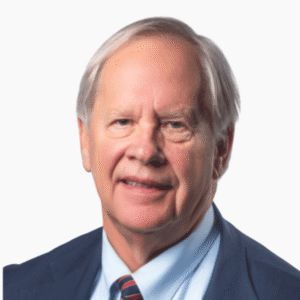
Robert Dillman
Chief Medical Officer AiVita Biomedical
Robert O. (Bob) Dillman, M.D., is Chief Medical Officer at AIVITA Biomedical, Inc. in Irvine, California, and Clinical Professor of Medicine at the University of California Irvine. He earned a B.A. from Stanford University, an M.D. degree and internal medicine residency certification from Baylor College of Medicine in Houston, and hematology/oncology fellowship certification from the University of California San Diego (UCSD). He is board-certified in medical oncology, hematology, and internal medicine. After leaving UCSD, Scripps Clinic, and the pioneering biotechnology company Biotherapeutics, Inc., he directed the Hoag Cancer Center in Newport Beach,
California for 25 years, overseeing cancer education, research, and a cell biology laboratory conducting cutting-edge bench-to-bedside translational research with patient-specific immune therapies. He was named one of the Best Doctors in America annually from 1992-2016. He was a founding member, meeting organizer, 2-time Board Member, and 9th president of the Society for the Immunotherapy of Cancer (SITC). He chaired the Cancer Biotherapy Research Group (CBRG) for more than a decade. His research career has focused on cancer biotherapy and immunotherapy, including pioneering work on monoclonal antibodies, immunoconjugates, and patient-specific cellular immunotherapies, with 328 medical publications. He has been at AIVITA in his current role since 2016.
Seminars
- Short-term autologous cancer cell cultures enriched for tumour-initiating cells may be a better source of patient-specific antigens than whole tumour or neo-antigen prediction models
- Antigen presentation by autologous dendritic cells provides some advantages over other means of antigen presentation
- Feasibility, safety, and suggestion of efficacy of such patient-specific vaccines have documented in several cancers
- Which patient populations and disease settings offer the greatest opportunity to demonstrate the value of personalized cancer vaccines in clinical development?
- How should developers balance efficacy, durability, toxicity, and operational complexity when designing combination regimens?
- What manufacturing innovations and regulatory strategies are needed to consistently deliver individualized therapies at scale?